
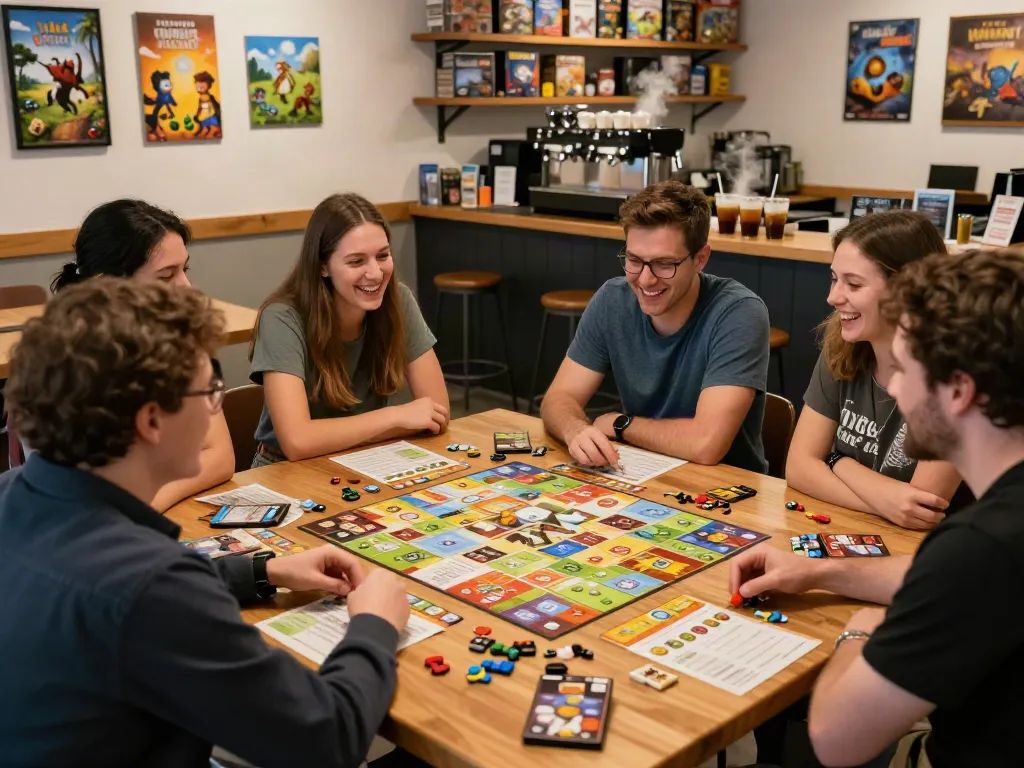
Understanding the Board Game Community
The world of board gaming is a vibrant and diverse space, attracting individuals from various backgrounds and interests. Board games have transcended mere leisure activities to become a cultural phenomenon where strategy, social interaction, and creativity converge. For those looking to engage with this thriving community, meeplehaus.net offers a wealth of resources, connecting enthusiasts and newcomers alike. Whether you're a casual player or an aspiring strategist, understanding the core of this community is essential to maximize your experience.
Who Are the Players of MeepleHaus?
The players in the MeepleHaus community are as varied as the games themselves. From families seeking a fun evening to competitive gamers striving for victory, each group brings its unique energy. New players are often introduced through friends or family members, while seasoned veterans typically seek out the newest strategic challenges. The community thrives on inclusivity, welcoming anyone with a passion for play, making it an excellent environment for learning and growth.
Common Misconceptions about Board Gaming
Despite its popularity, board gaming is often riddled with misconceptions. Many people still perceive board games as outdated or exclusively for children, overlooking the complex strategies and rich narratives available in modern board games. Additionally, there is a belief that board games require extensive time commitments or advanced knowledge, which can deter newcomers. In reality, there are games suited for every age and skill level, and many can be played in under an hour.
Key Challenges in Game Strategy
One of the most significant challenges players encounter is mastering game mechanics. Different games have distinct rules, and understanding them can be daunting for novices. Furthermore, strategy varies considerably from one game to another, requiring players to adapt their thinking and approaches. This need for constant learning and adaptation can be overwhelming, contributing to why some individuals shy away from deeper strategic experiences.
Choosing the Right Games for Your Group
Choosing a game that suits your group's preferences can significantly enhance the board gaming experience. It's vital to consider player dynamics, preferences, and the desired level of engagement. MeepleHaus provides insights on selecting the perfect game that aligns with your group’s tastes and skills. By pairing the right game with the right crowd, you create an environment conducive to fun and engagement.
Evaluating Game Complexity and Player Skill
When selecting a game, evaluating its complexity against the players’ skill levels is crucial. Games range from simple, quick-play options to intricate strategy games that demand significant planning and cooperation. A game that is too challenging can frustrate beginners, while overly simplistic titles may bore more experienced players. A good rule of thumb is to aim for games that cater to the median skill level of your group.
Cooperative vs. Competitive Games: What to Know
Understanding the dynamics of cooperative versus competitive games can also inform your choices. Cooperative games encourage teamwork and shared goals, which can be perfect for social environments and family gatherings. Competitive games, however, spark a different kind of excitement, as players vie against each other for victory. Knowing your group's preferences in this regard can guide you in selecting the right type of game.
Recommendations for Family-Friendly Games
For families, selecting games that engage all ages is essential. Games like "Ticket to Ride" and "Catan" balance strategy with accessibility, making them ideal for mixed-age groups. These games foster interaction and are easy to learn, ensuring that everyone can participate. For younger players, simpler games like "Uno" or "Connect 4" are excellent introductions to the world of board gaming.
Creating the Perfect Game Night Atmosphere
Setting the stage for a successful game night is just as important as selecting the right games. The atmosphere can greatly influence the engagement and enjoyment of the participants. Whether you're hosting at home or in a more public space like a board game café, attention to detail can enhance the overall experience.
Essential Setup for a Great Game Experience
A well-organized gaming space is key. Make sure there's enough room for everyone to sit comfortably and that the game area is well lit. Organizing the game components before players arrive can also speed up setup time, allowing for more time spent playing. Additionally, having a designated area for snacks and drinks nearby can keep the game flowing smoothly.
Snack and Drink Pairings for Board Gaming
Snacking is a cherished part of any game night. Choose finger foods that are easy to eat and won't create a mess—think popcorn, chips, or bite-sized veggies. Pair these with simple drinks like soda, tea, or themed cocktails to keep the atmosphere festive without interrupting the flow of gameplay. The right snacks can not only enhance enjoyment but also sustain energy levels during extended gaming sessions.
Lighting and Décor Tips for Ambiance
The right lighting can set the mood for an exciting night. Dim lighting creates a cozy, intimate feel, while bright lights can energize a competitive spirit. Consider using ambient lighting such as string lights or lamps to create a welcoming environment. Themed decorations can also add to the experience, especially if you’re featuring a specific game or genre.
Strategies for Winning at Popular Games
While the fun of board gaming is often in the experience itself, many players enjoy the challenge of competing and winning. Developing effective strategies can significantly impact your performance, especially in competitive games. Understanding the intricacies of each game can give you a distinct advantage.
Understanding Game Mechanics of Popular Titles
Familiarizing yourself with the mechanics of popular games is the first step toward mastery. Games like "Pandemic" or "Dominion" have unique mechanics that dictate strategies. For instance, in "Pandemic," collaboration is essential, whereas in "Dominion," learning how to optimize your deck is crucial for success. Study these mechanics to anticipate opponents' moves and plan your strategies accordingly.
Player Psychology: Reading Your Opponents
Understanding your opponents' psychology can also give you an edge. Observing their behavior and reactions during gameplay can provide clues about their strategies. Are they risk-takers or cautious players? Use this knowledge to adapt your approach, perhaps by bluffing when necessary or making unexpected moves to throw them off balance.
Advanced Tactics for Competitive Play
For seasoned players, advanced tactics can elevate their gameplay. This can involve strategizing moves several turns ahead or using deceptive plays to mislead opponents. Networking with other skilled players and sharing tactics learned from competitive play can also refine your skills further, enhancing your standing in the gaming community.
Future Trends in Board Gaming for 2026
The board game landscape is ever-evolving, with new trends continuously emerging. As technology advances and player preferences shift, the future of board gaming in 2026 promises exciting developments.
Emerging Games and New Designers to Watch
Keep an eye on new designers and emerging games that challenge conventional gameplay. Titles that break the mold with innovative mechanics or storytelling will likely gain traction. Platforms like Kickstarter have become incubators for such creativity, making it vital to stay informed about rising projects and designers who are redefining the space.
The Impact of Digital Board Games
Digital adaptations of traditional board games will continue to influence how players engage with them. These adaptations offer new ways to play, allowing for remote participation while retaining the essence of the original game. The ability to connect with players across distances is likely to change the dynamics of game nights, promoting community and engagement beyond local meetups.
Community Growth and Engagement Strategies
The growth of online platforms and communities will foster a richer gaming culture. Events such as virtual game nights and online tournaments will become more common, allowing enthusiasts to connect from all over the world. Establishing forums and discussion groups can encourage sharing strategies and recommendations, further enhancing the experience for all players.
What types of board games are best for beginners?
For beginners, games that are easy to learn and quick to play are ideal. Titles like "Sushi Go!" and "Carcassonne" offer straightforward mechanics without overwhelming new players. These games allow novices to grasp the basics of gameplay before moving on to more complex options.
How can I host a successful game night?
To host a successful game night, focus on creating a welcoming atmosphere, selecting games that suit the group's preferences, and providing plenty of snacks and drinks. Incorporating a mix of game types can keep the energy high and engage all players.
What are trending board games in 2026?
As trends shift, stay updated on games gaining popularity through social media and gaming communities. Look for titles that feature cooperative mechanics or innovative strategies, as these are likely to resonate with modern gamers.
How do I choose a board game for a large group?
For large groups, opt for games designed to accommodate multiple players like "The Resistance" or "Codenames." These games promote interaction and teamwork, ensuring everyone is engaged and having fun.
What makes MeepleHaus a unique gaming destination?
MeepleHaus stands out through its commitment to fostering a welcoming and inclusive gaming environment. By offering a diverse selection of games, educational resources, and community engagement opportunities, it becomes a hub for players to explore their passion for board gaming.