
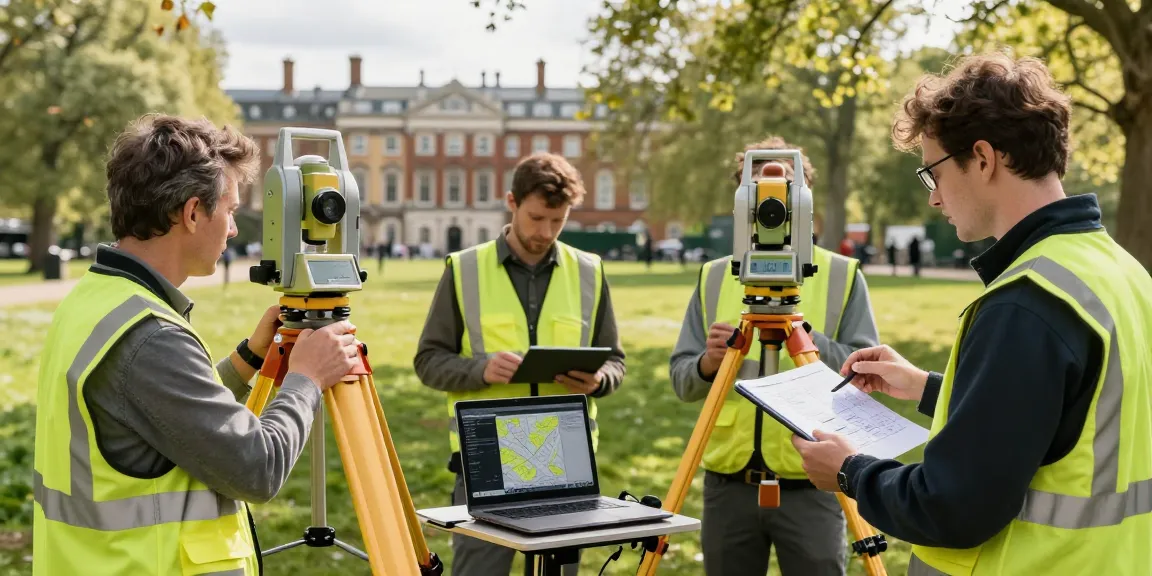
Understanding Topographical Surveys in London and Surrey
When it comes to real estate development, urban planning, and construction, having accurate information about the land’s topography is vital. Topographical surveys provide detailed data about the contours, elevations, and features of the land, which helps architects, engineers, and developers make informed decisions. Cadmap Ltd, a leading surveying company in London and Surrey, specializes in delivering high-quality Topographical surveys london & Surrey to ensure optimal project outcomes.
What is a Topographical Survey?
A topographical survey is a detailed representation of the features of a given piece of land, including its contours, natural and artificial landmarks, and any significant changes in elevation. This type of survey captures both horizontal and vertical dimensions, thereby creating a clear picture of the terrain. Surveyors use a combination of traditional surveying methods and modern technology—such as GPS, laser scanning, and drones—to collect precise data that can be utilized for various applications.
Key Benefits of Topographical Surveys for Projects
- Informed Decision Making: Accurate data helps stakeholders understand the land’s characteristics, enabling better planning and design choices.
- Regulatory Compliance: Topographical surveys provide the necessary information to adhere to local zoning laws and regulations.
- Risk Mitigation: Identifying potential challenges early on can prevent costly changes during construction.
- Enhanced Visualizations: Surveys produce detailed maps and 3D models, aiding in presentations and stakeholder engagement.
Common Applications in Urban Planning and Development
Topographical surveys are essential in various scenarios such as:
- Residential and commercial developments
- Infrastructure projects like roads and bridges
- Land reclamation and landscaping
- Environmental impact assessments
Essential Techniques for Accurate Topographical Surveys
Latest Surveying Technologies and Equipment
The use of advanced technology significantly enhances the accuracy and efficiency of topographical surveys. Modern equipment includes:
- Robotic Total Stations: These devices automate the process of measuring angles and distances, providing high precision.
- GPS Systems: Global Positioning System technology allows surveyors to obtain accurate geographic positions anywhere on the earth.
- 3D Laser Scanners: These devices capture millions of data points in a short time, creating highly detailed 3D models of the surveyed area.
- Drones: Unmanned aerial vehicles can quickly cover large areas, capturing high-resolution images and topographical data from above.
Calibration and Data Accuracy: Best Practices
Maintaining accuracy in surveying data is crucial. Best practices include:
- Regular calibration of equipment to ensure precision.
- Using control points to verify data integrity.
- Conducting repeat surveys to identify discrepancies.
Fieldwork: Conducting Surveys in Urban Areas
Urban environments present unique challenges due to the presence of buildings, infrastructure, and dense populations. Surveyors must employ careful planning and execution to ensure safety and data accuracy. Techniques include:
- Surveying at off-peak hours to minimize disruption.
- Employing safety measures to protect both surveyors and the public.
- Utilizing equipment that minimizes the need for physical presence in risky areas.
Choosing the Right Surveying Company in London and Surrey
What to Look for in a Surveying Partner
Finding a reliable surveying company is essential for project success. Consider these factors:
- Experience: Look for companies with a proven track record and extensive experience in the field.
- Accreditations: Select a firm that holds relevant certifications and complies with industry standards.
- Technology: Ensure they utilize the latest equipment and techniques for accurate results.
- Client Testimonials: Reviewing previous projects and client feedback can provide insight into their capabilities.
Questions to Ask Before Hiring a Surveyor
It’s crucial to ask potential surveyors the right questions, such as:
- What experience do you have with similar projects?
- How do you ensure data accuracy and quality control?
- Can you provide references from past clients?
- What is your typical turnaround time for survey results?
Case Study: Successful Projects in London
Cadmap Ltd has a history of successful projects throughout London and Surrey, including complex urban developments and critical infrastructure projects. One notable project involved a large mixed-use development in central London, where our team provided comprehensive topographical and utility surveys, ensuring that all planning and construction processes proceeded smoothly.
PAS 128 Utility Surveys: A Critical Component
Understanding PAS 128 Standards
PAS 128 is the standard for underground utility mapping in the UK, establishing best practices for identifying and locating utilities. By adhering to these standards, surveyors can provide clients with reliable data that helps avoid costly disruptions during construction.
Importance of Utility Mapping in Development Projects
Utility mapping is crucial in development projects for several reasons:
- Identifying Risks: Accurately locating utilities prevents accidental damage during excavation.
- Cost Management: Understanding existing utilities allows for better planning and budgeting.
- Regulatory Compliance: Meeting legal requirements regarding utility locations is essential to avoid fines.
Integrating Utility Data with Topographical Surveys
When utility data is combined with topographical survey results, it provides a comprehensive view of the project site. This integration enables better planning and facilitates smoother construction processes, reducing risks associated with unforeseen underground utilities.
Future Trends in Topographical Surveying
Emerging Technologies for Enhanced Surveying
As technology evolves, topographical surveying continues to adapt. Emerging trends include:
- Artificial Intelligence: AI can enhance data processing and analysis, providing insights that are faster and more accurate.
- 3D Modelling: Creating interactive models helps clients visualize projects before construction begins.
- Cloud-Based Solutions: Storing data in the cloud allows for easy sharing and collaboration among project stakeholders.
Sustainability Considerations in Surveying Practices
Increasingly, environmental considerations are influencing surveying practices. Sustainable methods include:
- Minimizing waste associated with surveying equipment and materials.
- Using eco-friendly practices in data collection and processing.
Preparing for Changes in Urban Development Regulations by 2026
With anticipated changes in urban development regulations by 2026, surveyors must stay informed and adaptable. This may include new requirements for environmental assessments and stricter zoning laws, which will affect the way projects are planned and executed.
What is the purpose of a topographical survey?
The purpose of a topographical survey is to provide a detailed representation of the features and contours of the land, which is essential for effective planning and decision-making in construction and development projects.
How long does a typical survey take?
The duration of a topographical survey can vary based on site complexity, size, and weather conditions, but typically ranges from a few days to a couple of weeks.
What equipment is used in modern surveying?
Modern surveying employs various equipment such as robotic total stations, GPS systems, 3D laser scanners, and drones to ensure precision and efficiency in data collection.
Can topographical surveys assist in environmental assessments?
Yes, topographical surveys can play a crucial role in environmental assessments by providing information about the land’s physical characteristics, which is necessary for evaluating its suitability for various uses.
What are the costs involved in hiring a surveyor?
The costs of hiring a surveyor can vary based on project scope, complexity, and location. It’s important to obtain quotes from multiple surveying firms to ensure competitive pricing.

