Understanding the AVP Wine Collective Model
The AVP Wine Collective is a distinctive blend of innovation and tradition within the winemaking industry. Situated in Portland, Oregon, it operates as a cooperative winery, designed to empower emerging winemakers by providing access to resources that can make their dreams a reality. Through collaboration and shared expertise, AVP Wine Collective serves as a launchpad for new talent, ensuring not just quality wines but also fostering a vibrant community around the art of winemaking. For anyone interested in learning more about how this model operates, avpwinecollective.com provides comprehensive insights into its operations and offerings.
What is avpwinecollective.com?
At its core, AVP Wine Collective represents a cooperative winery model that allows small and aspiring winemakers to come together. By pooling resources, these winemakers gain access to equipment, facilities, and mentorship that they might not be able to afford independently. This model not only democratizes winemaking but also enhances the quality of wine produced through collaboration and shared best practices. It reflects a growing trend in the wine industry towards cooperative ventures as a means of sustainability and innovation.
Key Features of the Collective
- Shared Resources: Members have access to state-of-the-art winemaking equipment, fermentation tanks, bottling lines, and storage facilities.
- Mentorship Opportunities: Experienced winemakers provide guidance and support to newer entrants, helping them navigate the complexities of the wine industry.
- Education and Training: Workshops and training sessions are held regularly to ensure that all members are equipped with the latest techniques and knowledge.
- Marketing Support: The collective helps promote its members' wines, assisting them in reaching wider audiences through branding and marketing initiatives.
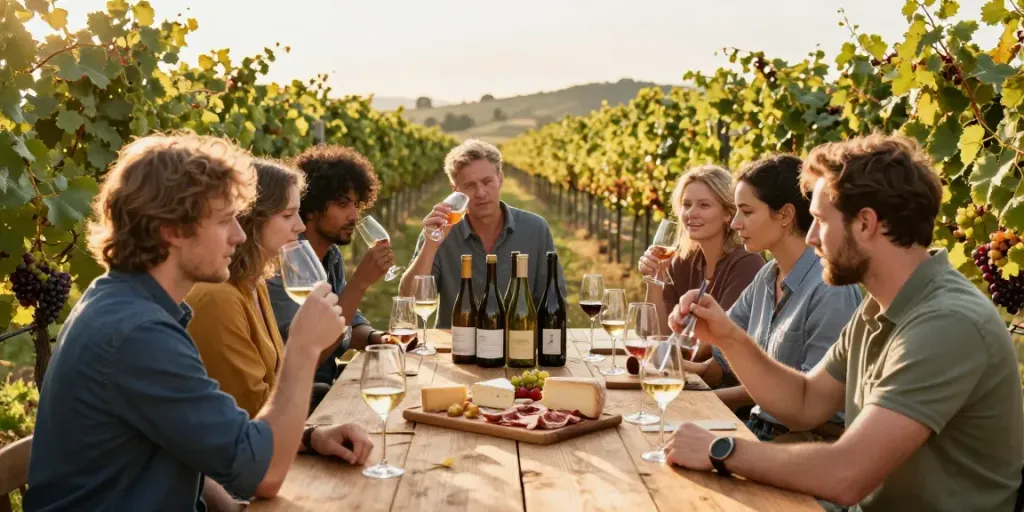
- Community Engagement: Regular events and tastings foster a sense of community among members and local wine enthusiasts.
Benefits for Emerging Winemakers
For new winemakers, joining a collective like AVP offers a myriad of benefits. One of the most significant advantages is reduced financial risk. By sharing costs related to equipment, space, and materials, members can focus on their craft without the overwhelming burden of individual financial investment. Additionally, the communal atmosphere encourages experimentation, which is often crucial for those looking to carve a niche in a competitive market.
Challenges Faced by New Winemakers
Common Obstacles in Starting a Winemaking Journey
Entering the winemaking industry can be fraught with challenges. New winemakers often face significant barriers such as high startup costs, a steep learning curve, and the need for regulatory compliance. The costs associated with vineyard establishment, equipment purchase, and initial operations can be daunting. Furthermore, the process of crafting wine involves numerous complexities, from selecting grape varieties to mastering fermentation techniques.
Misconceptions about the Wine Industry
Another hurdle is the multitude of misconceptions surrounding the wine industry. Many aspiring winemakers might believe that creating a successful wine label hinges solely on producing a high-quality product. However, the reality involves understanding market trends, branding, distribution, and consumer engagement. Many fail to realize that the business aspect is just as critical as the craft itself.
Regulatory and Legal Challenges in 2026
The regulatory landscape for wineries has evolved significantly and presents its own set of challenges. In 2026, compliance with various state and federal regulations related to alcohol production, labeling, and sales remains rigorous. New winemakers must navigate licensing requirements, health codes, and potential changes in laws that could impact production and distribution.
Best Practices for Successful Winemaking
Essential Techniques in Wine Production
Emphasizing quality in winemaking requires adherence to best practices. One essential technique is the selection of the right grapes. Understanding terroir—the unique environment in which grapes are grown—can greatly influence the characteristics of the wine. Additionally, proper fermentation techniques, aging processes, and blending practices are vital for crafting distinctive wines.
Building a Brand as a Winemaker
In the competitive wine market of 2026, building a strong brand is paramount. Effective branding goes beyond just a logo; it involves storytelling about the vineyard's history, the winemaking process, and the unique aspects of the wine itself. Engaging with customers through social media and wine tasting events can create lasting connections that drive brand loyalty.
Networking and Collaborating within the Collective
Networking is crucial in the wine industry. Collaborating with fellow members of the AVP Wine Collective allows new winemakers to gain insights into successful strategies, marketing, and distribution channels. Forming partnerships can foster innovation, with members sharing their successes and failures, ultimately leading to a stronger community.
Real-World Applications and Success Stories
Case Studies of Successful Winemakers
Examining successful winemakers within the AVP Wine Collective reveals lessons in perseverance and innovation. For instance, a member who initially struggled with grape sourcing turned that challenge into an opportunity by developing unique blends that highlighted lesser-known varieties. This pivot not only differentiated their wine in the market but also opened doors to niche markets.
How AVP Supports Innovation in Winemaking
AVP actively encourages its members to experiment and innovate. By providing access to resources and a collaborative environment, winemakers are motivated to push the boundaries of traditional winemaking. This culture of innovation can lead to breakthroughs in flavor profiles and production techniques that set members apart in a crowded marketplace.
Member Testimonials and Experiences
Feedback from members paints a vibrant picture of the collective's impact. Many emphasize the value of mentorship and community support, citing how their peers have been instrumental in their growth. Testimonials highlight friendships formed, skills developed, and the collective strength that comes from working together towards a common goal.
Future Trends in the Wine Industry
Emerging Technologies in Winemaking by 2026
The future of winemaking is likely to be defined by emerging technologies. Innovations such as precision viticulture, which leverages data analytics to optimize grape growing conditions, are anticipated to play a significant role. Additionally, advancements in fermentation technology can enhance the quality and consistency of wines produced.
Global Market Trends Affecting Local Wineries
As global dynamics shift, local wineries must also adapt. Trends such as the increasing demand for organic and sustainably produced wines are shaping consumer preferences. Thus, winemakers must remain agile and responsive to these changes while maintaining their unique brands and values.
Sustainability Practices in Modern Winemaking
With a growing focus on environmental responsibility, sustainable practices are becoming essential in the wine industry. This includes employing organic farming techniques, reducing water usage, and utilizing renewable energy sources in production facilities. Wineries that embrace sustainability not only protect the environment but also appeal to an increasingly eco-conscious consumer base.